
What is a Thread Lift and How is it Applied?

A thread lift is a cosmetic surgery procedure also known as a facelift. In this method, specially designed threads are used to correct sagging and wrinkles on the face. The threads are usually made of biocompatible materials such as polypropylene or polyurethane and are placed under the facial skin. The threads pull the skin upwards, providing a younger and firmer appearance. The thread lift procedure is usually performed under local anesthesia and requires a short recovery period. Mild swelling and bruising may be seen after the procedure, but they usually subside within a few days. For information on this subject and to ask your questions, you can look at relevant online companies on the internet pages and examine them in detail from here.
Advantages and Disadvantages of Thread Lifts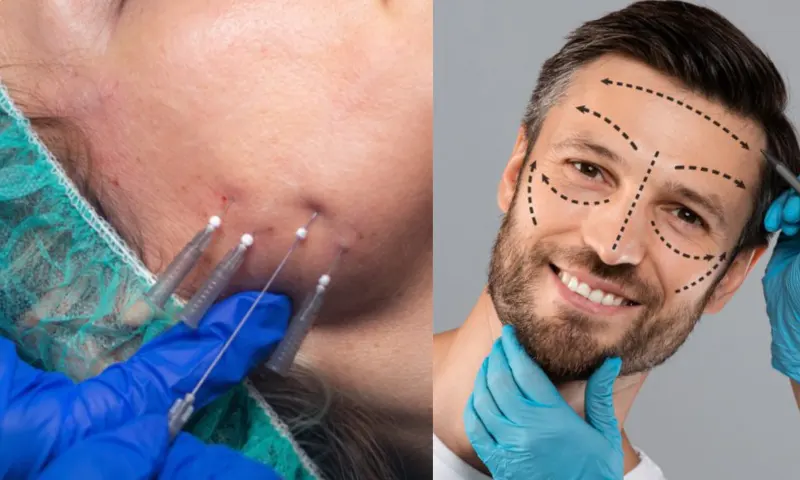
The thread lift procedure offers many advantages compared to other facelift methods. First, it is a less invasive method and does not require surgical incisions, so the recovery process is shorter. Also, the thread lift procedure is generally more affordable and carries less risk for patients. The procedure is usually completed in a short time, and patients can quickly return to their daily activities. However, there are also disadvantages to thread lifts. There may be uncertainties about the long-term effectiveness and durability of the threads, and undesirable results may occur in some patients.
Post-Thread Lift Care and Recommendations
After a thread lift, it is important to provide proper care and treatment. Mild swelling and bruising after the procedure are normal, but it is important to rest and keep the head elevated for them to subside. You can use pain relievers recommended by your doctor and apply ice after the procedure. During the healing process, it is also important to moisturize the skin and protect it from the sun. Avoiding excessive movement in the areas where the threads are placed and staying away from strenuous exercise can also speed up healing. Regularly attending follow-up appointments recommended by your doctor during the post-procedure period is important to prevent possible complications.