
Benefits of Security Cameras
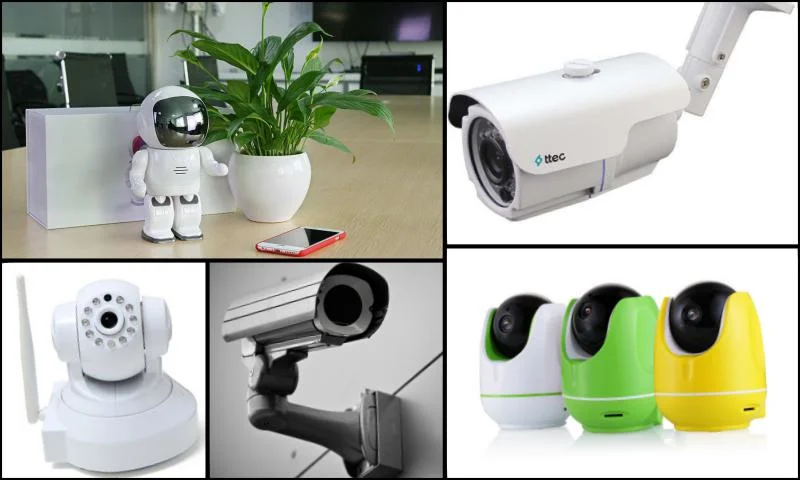
What is a Security Camera
A camera is an electronic device that collects the image in its shooting range through a lens, reflects the image onto the lens through electronic elements on the plane, and records it. The history of these devices dates back a century. The camera, invented approximately a century ago by George Eastman and continuously developed since then, forms the basis of many systems today. Personal cameras, devices used in television broadcasting, monitoring devices used in the medical field, underwater imaging, and security systems are among the most used camera types today. A security camera is a type of device used for theft prevention and monitoring. These systems are utilized in all areas requiring protection such as homes, offices, housing complexes, schools, hospitals, and traffic. While its shape, type, and shooting features change depending on where it will be used, various deterrent systems are encountered in every aspect of our lives.
Security Camera Models
A system installed to ensure the security of an indoor or outdoor area is called a security system. The main component of these systems is the security camera. As an effective tool against theft, the security camera system is indispensable for the security of residences and workplaces. Because the system installation is extremely easy, security systems with monitoring and recording devices are preferred in many places today. Since the installed device sends the image to a computer or screen, it has a deterrent function. It provides deterrence not only against theft but also against child molesters. These devices are especially utilized when extra security is needed due to the care of the elderly and children. Furthermore, in incidents like murder and assault, monitoring records are used as the most important witness. In this sense, if we call cameras more reliable than humans, we would not be exaggerating. Camera systems that record 24 hours without interruption have a deterrent effect, especially in big cities.





