
How to Install Snow Tires?
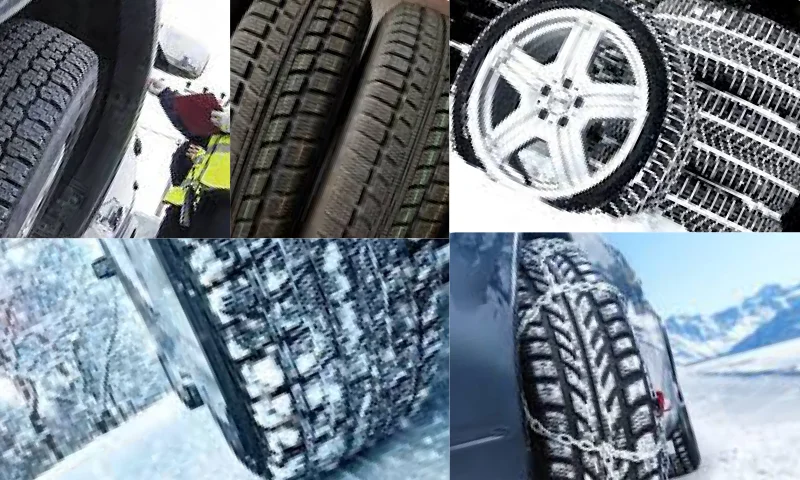
So, How Are These Snow Tires Installed?
Car usage and interest in vehicles are, as everyone knows, quite high in our country. Considering that in some cities, the number of vehicles per person reaches 2, it is possible to say that we all, men and women, hit the road. At this point, it is known by everyone that all kinds of safety precautions related to traffic must be taken, that the accidents occurring in our country must be prevented, and that a number of measures are kept mandatory for these. Unfortunately, the season when most accidents occur is winter. Precipitation, icy roads, vehicles unable to grip the road and colliding with each other, cars crossing into the opposite lane and crashing due to slippery surfaces, and much worse events happen in this season. A large part of the accidents is observed to be related to the difficulty of controlling the vehicle on the road. To increase the road grip of cars, especially on slippery and icy surfaces, installing and using snow tires is quite important to ensure a more stable road grip. This type of tire, often confused with winter tires, provides great convenience to drivers, especially on snowy and icy surfaces.
Things to Consider When Choosing Tires
The most fundamental difference between a normal tire and a typical snow tire is that at temperatures of 7 degrees and below, summer tires harden on the asphalt surface and cannot grip the road. Snow tires are quite effective and can move flexibly on these types of surfaces, thus positively affecting road grip and driving pleasure. Snow tires purchased in the dimensions suitable for your vehicle, after your summer tires are removed from the vehicle, the fender area is properly cleaned, the maintenance and inspection of all parts where the wheel will be mounted are carried out, the tires are mounted on the vehicle at appropriate pressures, and after the snow tires are installed, the wheel alignment and balancing adjustments of the vehicle are completed, your vehicle will be fully compatible. At this point, tire pressures and correct tire choices are very important.





