What is Handicraft? The Delicate Face of Cultural Heritage

Handicrafts are artistic products with aesthetic and functional value, inspired by nature and produced by human hands throughout history. Encompassing many branches from wood carving to ceramics, from weaving to glasswork, handicrafts both preserve cultural heritage and are an expression of personal creativity. These arts are shaped by the experience gained by masters over the years and passed down from generation to generation. Especially in geographies with rich cultural histories like Anatolia, handicrafts continue to exist as a part of regional identities. The blending of traditional motifs with modern designs is increasing interest in these arts today. For information on this subject and to ask questions you are curious about, you can look at the relevant online companies on internet pages and examine them in detail from here.
The Contribution of Handicrafts to the Economy and Education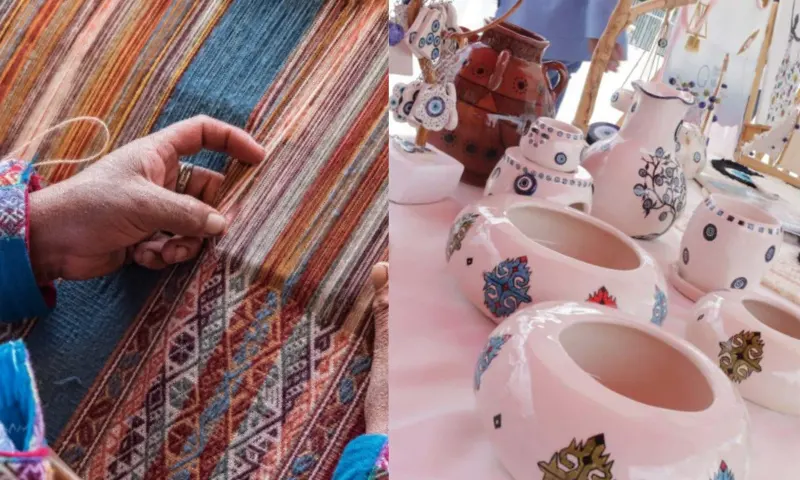
Handicrafts not only carry cultural value but also offer significant contributions in economic and educational terms. In many regions, income is generated by marketing handmade products, especially through cooperatives that support women's employment. In this way, not only is local development contributed to, but traditional skills are also integrated into the modern world. Furthermore, handicraft courses organized in schools and various educational centers help individuals develop their talents and acquire professions. Handicraft education is of great importance, especially for children to develop their fine motor skills and gain patience, attention, and an aesthetic perspective.
The Future of Handicrafts: Digitalization and Sustainability
Today, handicrafts can reach wider audiences with the impact of digitalization. Handmade products are easily promoted and sold through e-commerce platforms and social media. This situation strengthens handicrafts economically and attracts the interest of younger generations. Additionally, with the use of natural and recyclable materials, handicrafts offer a sustainable production model. Original designs produced without harming nature contribute to environmental awareness and support ethical consumption. In this context, the future of handicrafts is being shaped in an environmentally friendly and innovative field where traditional knowledge combines with technology. Whether evaluated as a hobby or a profession; handicrafts continue to exist as both a soul-nurturing pursuit and an important value that keeps the cultural identity of society alive.