
What is Cable Resistance?
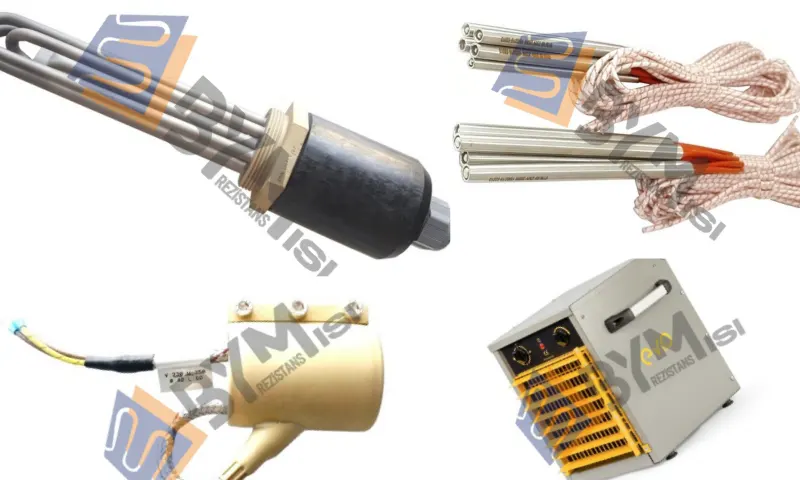
Types and Advantages of Cable Resistances
Cable resistance is a heating element that converts electrical energy into heat by passing it through a resistant wire. Usually surrounded by an insulating material, resistance wires are used for heating purposes in various applications. Cable resistances are used in a wide range from industrial systems to domestic appliances. These resistances, which have various types, are preferred especially for precise control of heating needs. Cable resistances are versatile heating elements that can be produced in different types and specifications. There are various models such as mineral insulated, ceramic insulated, and silicone rubber coated. This diversity provides a significant advantage in offering solutions suitable for different application needs. The advantages of using cable resistances include fast heating, energy efficiency, long-term use, and the ability to be designed in various sizes. These advantages cover a wide range of uses, from industrial processes to laboratory applications.
Industrial Applications of Cable Resistances
Cable resistances are widely used in various applications in industrial sectors. For example, they are used in many areas such as controlling material temperature in plastic processing machines, regulating reaction temperature in chemical plants, and heating liquid products in the food industry. They are also preferred in various applications requiring temperature control, such as preventing freezing in water and oil tanks and heating oil pipelines. The wide range of industrial applications for cable resistances plays an important role in reliably and effectively meeting heating needs. For detailed information about cable resistances and to place an order, https://www.bymrezistans.com.tr/urun-gruplarimiz/kablo-rezistanslar you can visit the address.





