
What is Structured Cabling?

Structured cabling is defined as a standardized cabling system that provides the necessary infrastructure for data, voice, and video communication within a building or campus. This system has a modular and flexible structure and is designed to meet both current and future needs. Structured cabling consists of various components and is installed in accordance with specific standards to optimize network performance. The main components of these systems include horizontal cabling, vertical cabling, telecommunication room, work area cables, and connection hardware. While horizontal cabling refers to the part of the cables from network devices to outlets, vertical cabling provides connections between different floors. Telecommunication rooms are central points where network equipment is located and managed. Work area cables connect user devices to network outlets, thus increasing the reliability and performance of the network. In order to get information on this subject and to ask questions you are curious about, you can look at the relevant online companies on the internet pages and examine them in detail from here.
Advantages of Structured Cabling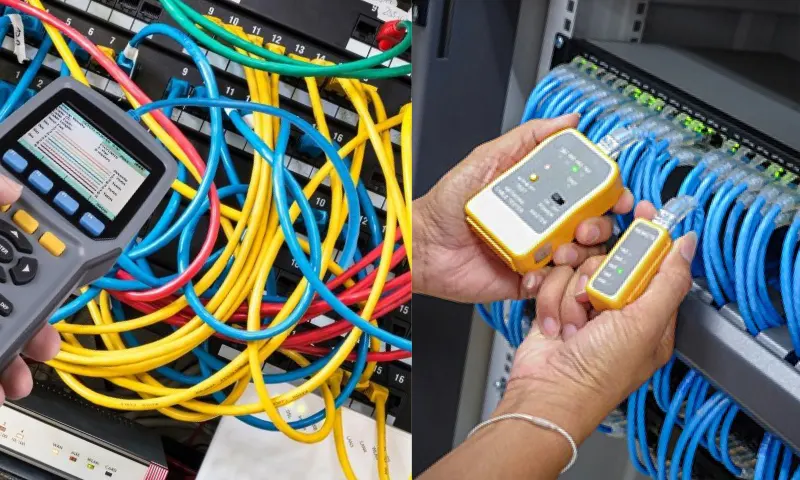
Structured cabling offers many advantages. These include easily adapting to future network expansion and upgrade needs thanks to its modular structure. Furthermore, since it is installed using standardized components, network management and maintenance operations become simpler and more cost-effective. Proper and organized cabling prevents cable clutter and enhances the overall aesthetics of the system.
Structured Cabling Applications and Future
Structured cabling is widely used in various areas such as office buildings, data centers, educational institutions, hospitals, and industrial facilities. The importance of reliable and fast communication infrastructure is significant in every sector. In office buildings, it enables employees to communicate effectively with each other and with the outside world. In data centers, it provides high-speed data transmission between servers and storage devices. In educational institutions, it supports fast access to information for students and teachers.