
Classification of Waste
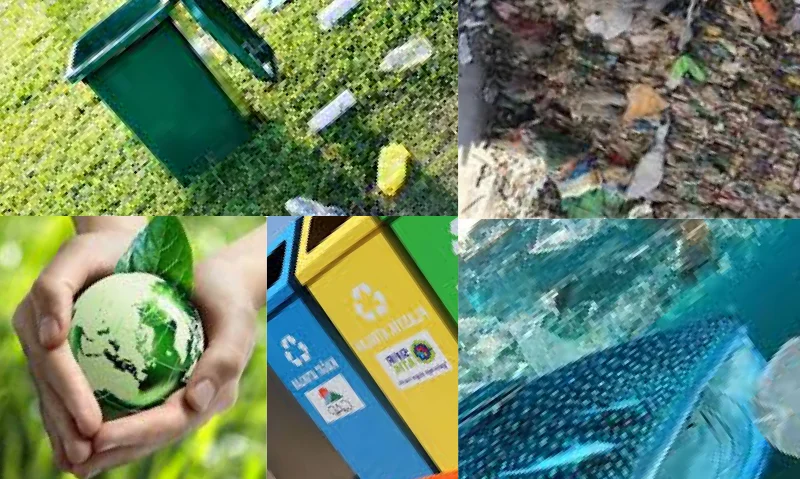
Types of Waste
Any substance that is no longer used and is unwanted, whether from the production or consumption stage, is called waste. These substances can be classified according to their types and whether they are recycled. You can find extensive information about waste, which can be broadly categorized as hazardous and non-hazardous, from companies on internet pages. Various types of waste have emerged today in parallel with industrial and technological developments. Some of these wastes are substances that can be reintroduced into the economy. These types of waste, which are processed in recycling facilities and reintroduced into the economy, must be collected without damage at their source and made available for recycling.
Hazardous and Non-Hazardous Waste
Within the framework of waste management, it is possible to group waste into four main categories: household, commercial, and construction waste, industrial waste that threatens human and environmental health, medical waste, and nuclear waste. The waste problem continues to be a common problem for the entire world. Every new branch of industry, every new production, every new development brings with it a new waste problem. Just as in the whole world, ways to cope with this problem are being sought in our country. Particularly, to eliminate the negative impact of hazardous waste on humans and the environment, it is aimed to store, transport, and collect it within the framework of the Waste Management Regulation. Regardless of whether the type of waste to be collected is hazardous or non-hazardous, it must be collected at its source by taking into account the rules and principles specified in the regulation. These collected wastes must be transported to waste facilities using transportation vehicles appropriate for their type and class. In this center, the waste must be processed and disposed of or reintroduced into the economy according to its type.





