How to Manage Structural BIM Models?

Structural BIM models are managed by effectively handling digital models containing detailed structural information in construction projects. Clear communication and collaboration are ensured among project stakeholders. By using a common data environment, all stakeholders can work on a single platform and access up-to-date information. Regular revisions and updates are made to keep the data in the model accurate and current. Software tools enable tracking changes and storing past versions. The level of detail in the model is determined and managed according to the different phases of the project. BIM Coordinators and managers conduct regular checks to ensure the accuracy and consistency of the model. For information on this topic and to ask your questions, you can look at the relevant online companies on the internet pages and examine them in detail from here.
How are Reinforced Concrete Structures Detailed with Structural BIM? 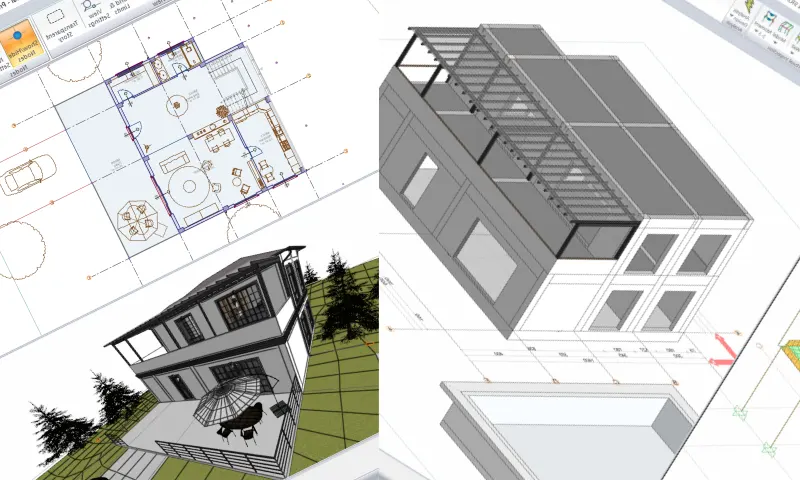
Structural BIM plays an important role in detailing reinforced concrete structures. In this process, first, 3D models of reinforced concrete elements are created. These models include all reinforced concrete elements such as columns, beams, slabs, and foundations. Then, reinforcement bars and other reinforcing elements are added to the model. BIM software is used to determine the correct placement and quantity of reinforcements. Then, the connection details and connection points of the reinforced concrete elements are modeled. This ensures that the structural elements are connected compatibly and safely. Clash detection is performed on the model, and potential problems are resolved.
What are the Contributions of Structural BIM to Construction Processes?
Structural BIM makes significant contributions to construction processes. BIM provides better coordination and communication in the design and construction phases. All stakeholders can work on a single digital model and proceed harmoniously throughout the project. BIM detects clashes, identifies and resolves potential problems that may be encountered during construction in advance. This saves time and cost during the construction process, optimizes construction planning and workflows. Detailed 4D simulations enable effective construction scheduling and resource management.